




























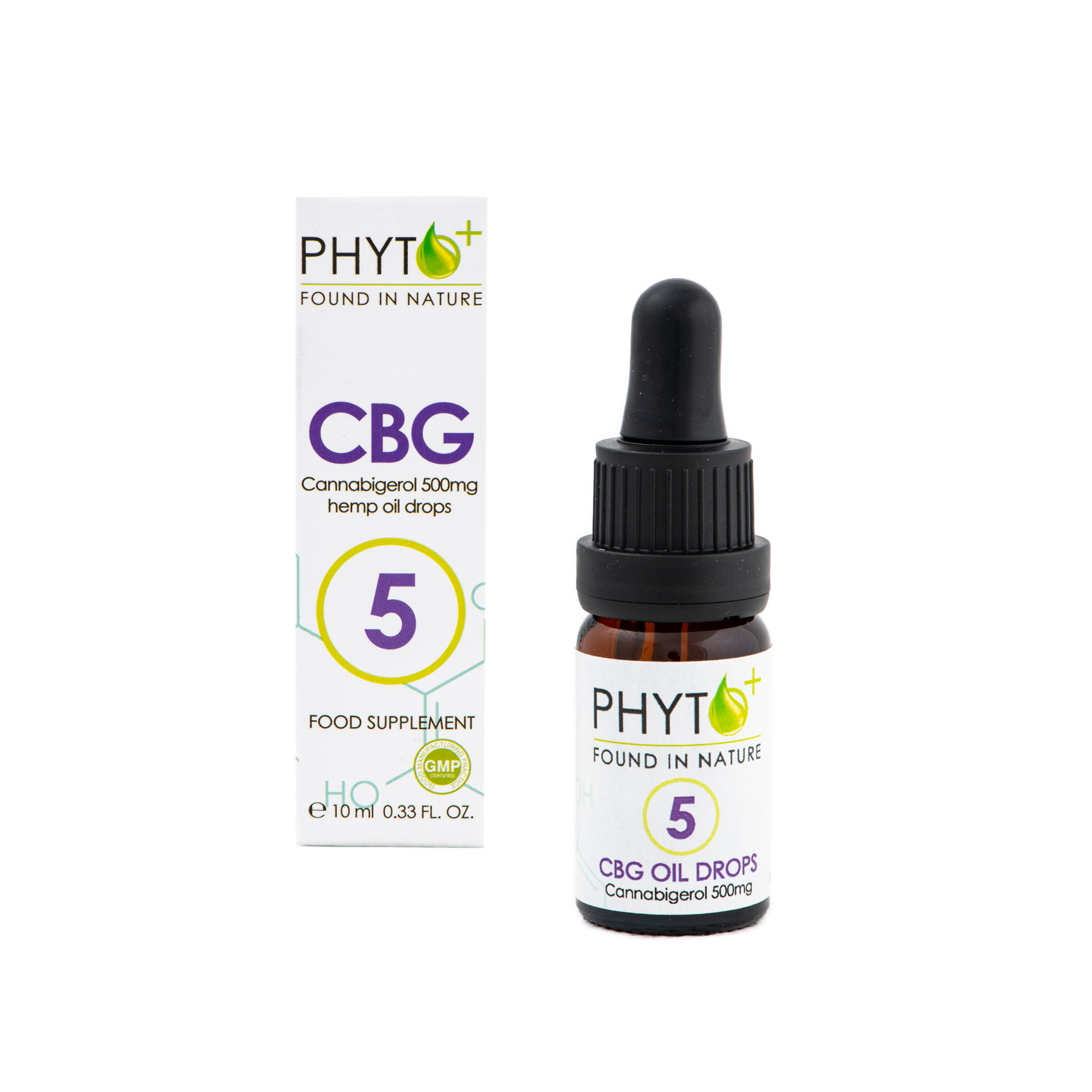

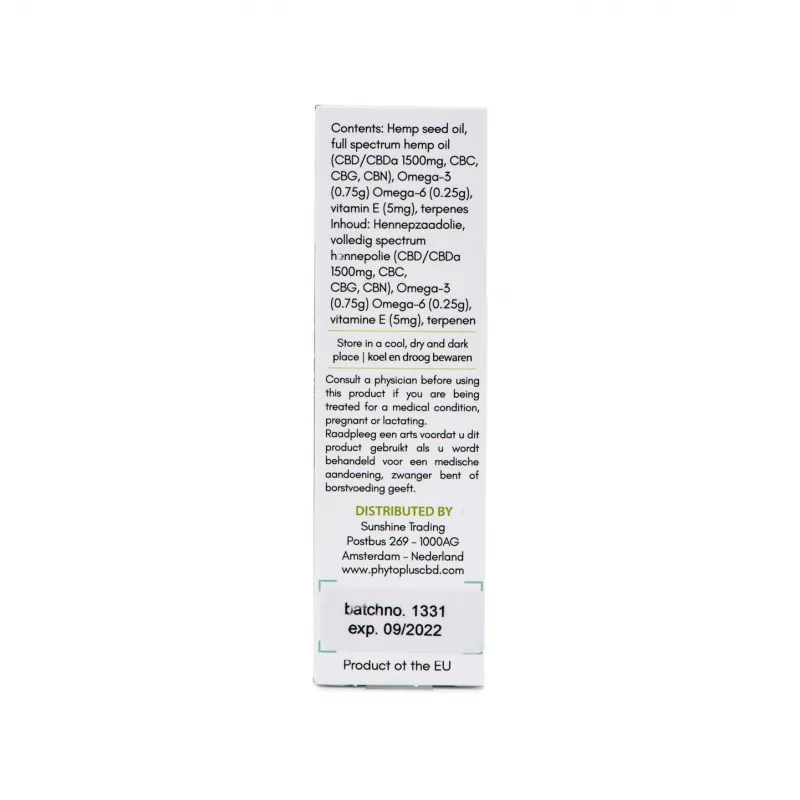


Cannabigerol (CBG) and cannabigerolic acid (CBGa) are two of the many secondary phytocannabinoids found in the flower of the cannabis plant.
The “a” in CBGa refers to the presence of a specific chemical structure called a carboxylic acid. CBG was first isolated from Indian hemp by Israeli researchers in 1964, with subsequent research in Japan clarifying that CBGa was its precursor.
CBG is one of the five most common cannabinoids along with THC, CBD, CBN (cannabinol) and CBC (cannabichromine). CBGa plays an extremely important role as a parent compound in the maturing flower and undergoes a series of changes to create THC, CBD, CBC and CBG.
Medicinal Properties of Cannabigerol (CBG)
CBG is non-toxic and has the following medicinal properties, which have been demonstrated in laboratory and animal studies:
- Antifungal
- Antibacterial with strong inhibition of the MRSA virus
- Anticancer (skin, prostate and breast)
- Antidepressant, in animal models
- Mild antihypertensive (lowers blood pressure)
- It inhibits the growth of certain skin cells that contribute to psoriasis
- Blocks GABA uptake, promoting muscle relaxation
- It reduces the intraocular pressure of the eyes
- Appetite enhancer
- Neuroprotective


 English
  Greek
Greek